Yara Otto · 20 October 2026
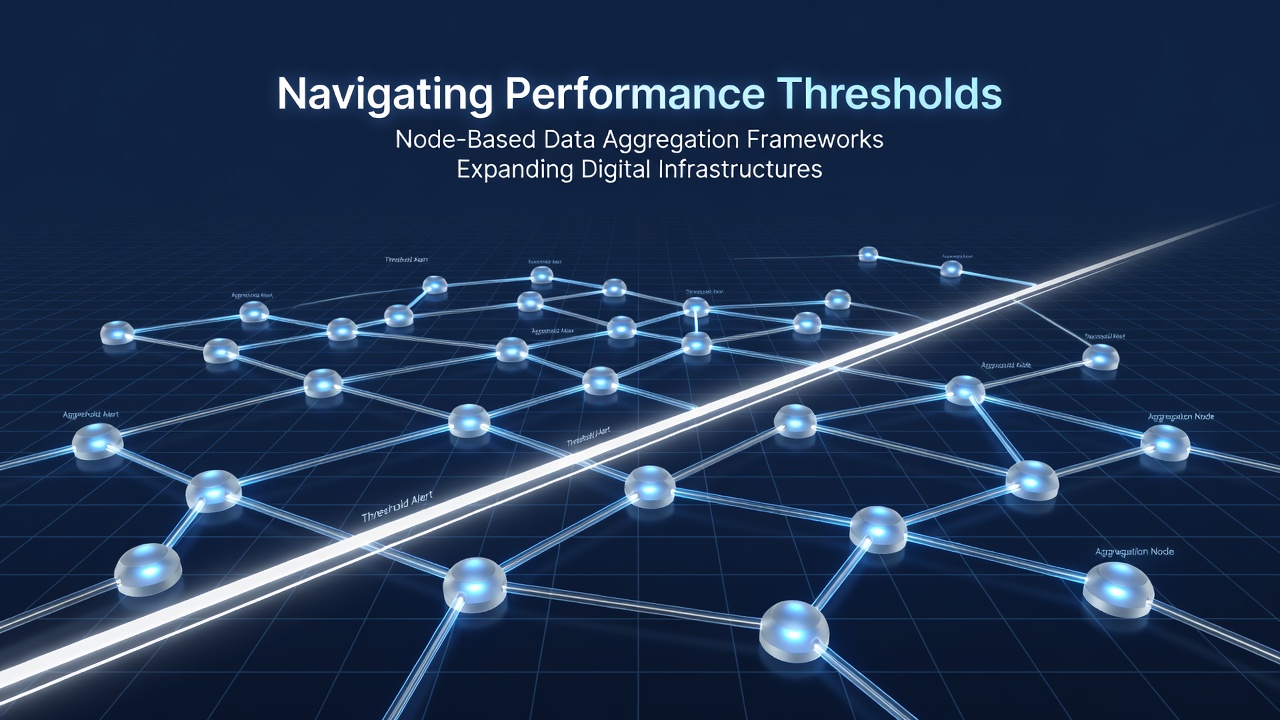
Navigating Performance Thresholds in Node-Based Data Aggregation Frameworks for Expanding Digital Infrastructures
Node-based data aggregation frameworks form the backbone of modern digital infrastructures where multiple processing points collect, combine, and route information across expanding networks. These systems rely on distributed nodes that handle incoming data streams while maintaining synchronization to prevent bottlenecks during periods of rapid growth. Observers note that performance thresholds emerge when node capacity meets limits set by hardware constraints, network latency, and data volume spikes, and this intersection often requires proactive monitoring to sustain operations.
Core Components of Node-Based Aggregation
Each node in these frameworks performs specific roles including data ingestion, filtering, and forwarding to central repositories, and researchers have documented how interconnected nodes create pathways that scale with infrastructure demands. Data flows through hierarchical structures where edge nodes handle initial collection before passing aggregated results to higher-level processors, and studies from various institutions show this layered approach reduces overall transmission loads. Performance thresholds appear at points where node processing speed fails to match incoming rates, which leads to queue buildup and potential data loss if left unaddressed.
Hardware specifications such as CPU cores, memory allocation, and network interface bandwidth set baseline limits for individual nodes, while software configurations determine how efficiently data packets undergo aggregation. According to reports from the National Institute of Standards and Technology, optimized node designs incorporate load balancing algorithms that redistribute tasks across available resources to delay threshold crossings. Those who manage large-scale deployments often track metrics like throughput per node and latency averages to identify early signs of strain before full system impacts occur.
Detecting and Measuring Threshold Events
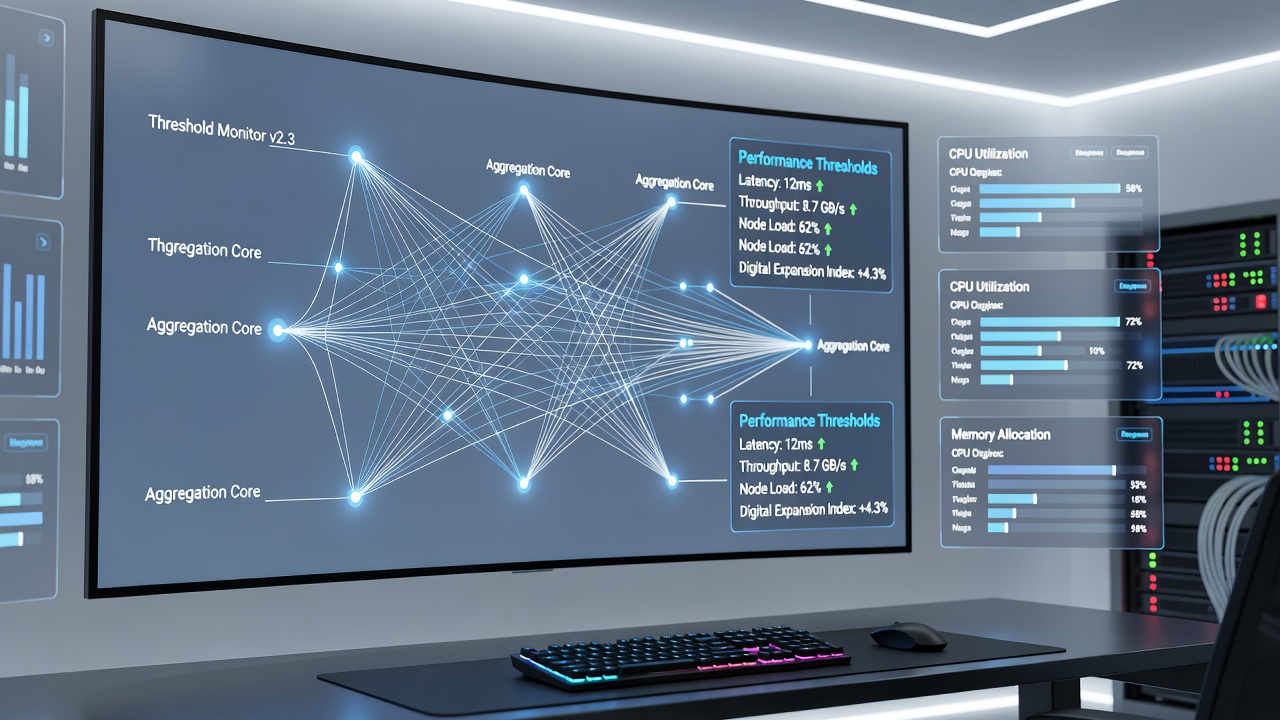
Threshold detection relies on continuous telemetry collection from nodes, and this data reveals patterns such as sudden increases in response times or drops in successful aggregation rates. Experts have observed that thresholds vary by infrastructure size, with smaller networks hitting limits at lower volumes compared to expansive ones that benefit from redundancy. In October 2026, updates to monitoring tools from several international bodies highlighted improved anomaly detection methods that use machine learning to predict crossings based on historical trends.
Measurement techniques include benchmarking tests that simulate peak loads, and these evaluations provide concrete figures on maximum sustainable data rates per node. Network administrators apply thresholds as triggers for automated responses like node scaling or traffic rerouting, and evidence from academic studies indicates such proactive steps maintain stability during expansion phases. What's notable is how regional differences in infrastructure standards influence threshold definitions, with European frameworks often emphasizing energy efficiency alongside speed metrics.
Approaches to Managing Growth-Related Limits
Scaling strategies focus on adding nodes or upgrading existing ones to push thresholds higher, and data from industry analyses demonstrates that horizontal expansion through additional processing points often outperforms vertical upgrades in cost efficiency. Dynamic reconfiguration allows frameworks to adjust aggregation rules in real time based on current loads, which helps avoid sudden performance drops. Canadian digital infrastructure guidelines, for instance, recommend phased rollouts where new nodes integrate gradually to test threshold impacts before full activation.
Software optimizations such as improved compression algorithms and parallel processing routines further extend node capabilities, and researchers discovered these changes can increase effective thresholds by 30 to 50 percent in tested environments. Coordination between nodes becomes critical during expansion because synchronization delays introduce new bottlenecks, and solutions involve refined protocols that prioritize essential data exchanges. Those managing expanding systems frequently combine these methods to create resilient setups that adapt without frequent manual intervention.
Real-World Implementation Patterns
Case studies from research institutions reveal how organizations have navigated thresholds by mapping node dependencies early in expansion projects, and this preparation allows targeted interventions at vulnerable points. One documented example involved a multi-site data network where initial thresholds surfaced during seasonal traffic surges, prompting the deployment of auxiliary nodes that restored balance within hours. Australian government reports on digital systems emphasize similar patterns in public sector infrastructures where aggregation frameworks support growing citizen services.
Integration with cloud resources provides additional flexibility for handling temporary spikes, and this hybrid model shifts loads away from on-premises nodes when thresholds approach. Performance data collected across multiple deployments shows consistent benefits from regular audits that recalibrate thresholds based on evolving usage patterns. Observers note that frameworks incorporating these elements sustain higher operational continuity even as digital infrastructures continue to expand.
Conclusion
Node-based data aggregation frameworks require ongoing attention to performance thresholds as digital infrastructures grow, and effective navigation depends on accurate measurement combined with adaptive scaling techniques. Research indicates that organizations investing in telemetry and optimization maintain reliable operations through expansion cycles, and coordinated approaches across nodes prevent isolated issues from affecting broader systems. Continued advancements in monitoring and protocol design support these efforts by providing tools that anticipate and mitigate threshold events before they disrupt services.